
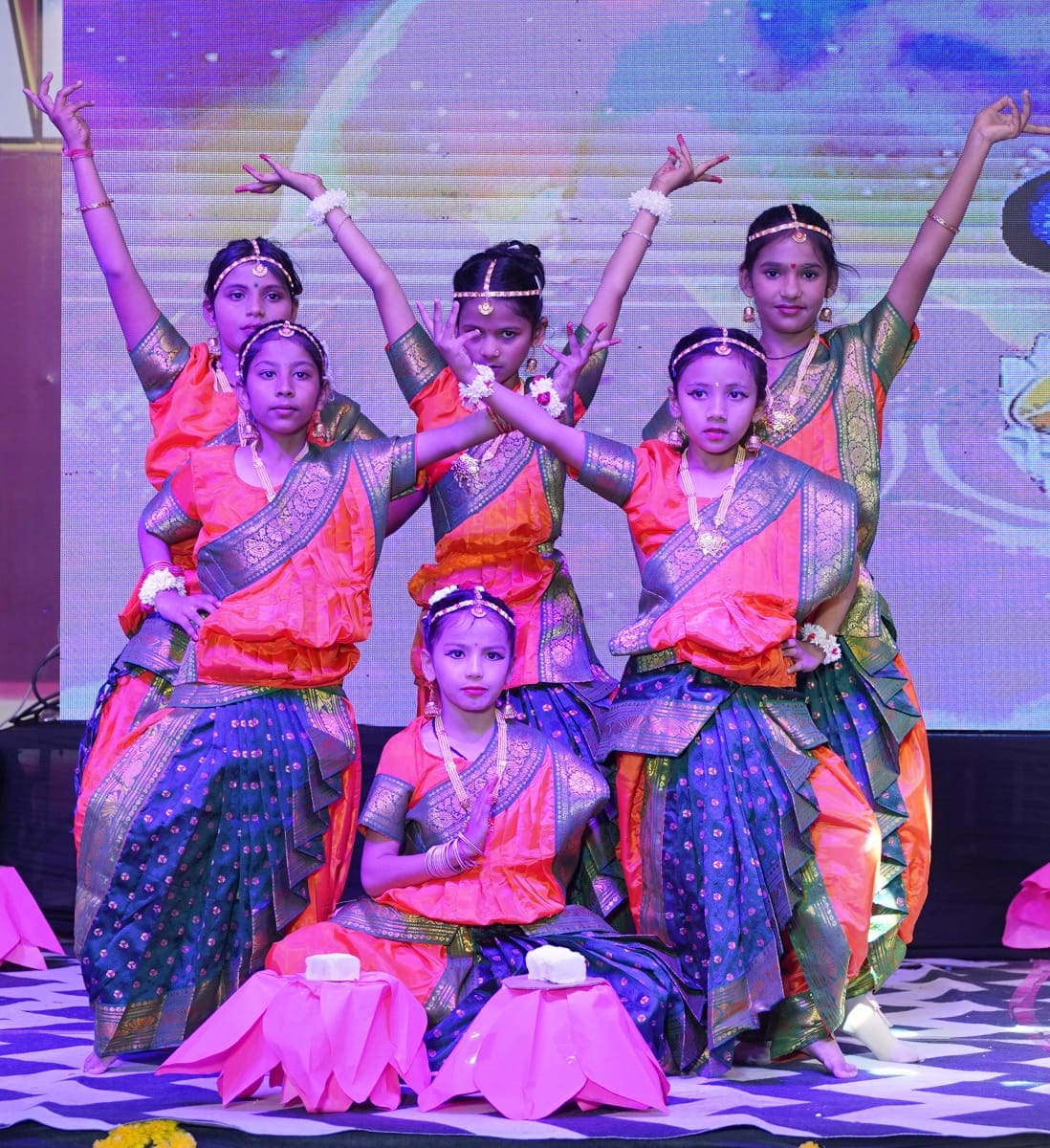
Ask any adult to recall their most paralyzing school experience and there's a good chance it involves standing up in front of the class. The fear of speaking — of being judged, of forgetting words, of silence stretching out unbearably — is one of the most common anxieties people carry from their school years into adult life. At The Goodwill Paradise Academy, we decided a long time ago that this doesn't have to be the default outcome of education.
"Confidence in speaking is not a personality trait. It is a skill — and like every skill, it can be taught, practised, and mastered."
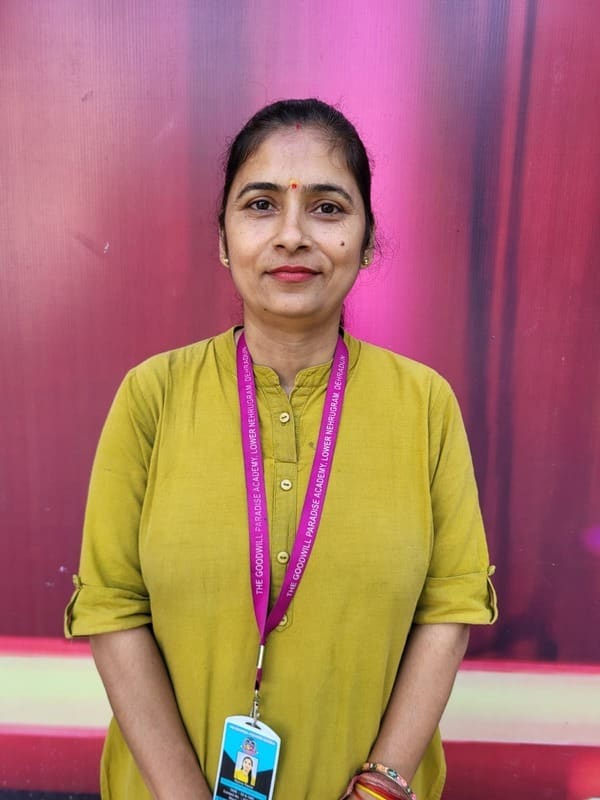
— Miss Poonam, Coordinator & English Teacher
Why Communication Is a Core Curriculum Subject
In our curriculum framework, communication competence sits alongside literacy and numeracy as a foundational skill. This means it is not left to the English class alone — it is built into science (presenting hypotheses), social studies (debating issues), mathematics (explaining reasoning aloud), and even physical education (leading warm-up routines). Every teacher at our school is, in part, a communication teacher.

Our Communication Curriculum at Each Stage
Communication Skills by Stage
| Stage | Age Group | Focus Areas | Key Activities |
|---|---|---|---|
| Playgroup & Nursery | 2–4 years | Oral vocabulary, listening, turn-taking | Circle time, storytelling, show-and-tell |
| LKG & UKG | 4–6 years | Sentence formation, questions, narration | Role play, puppet theatre, daily news sharing |
| Class 1 & 2 | 6–8 years | Structured speaking, reading aloud, listening comprehension | Book reports, class presentations, debate intro |
| Class 3–5 | 8–11 years | Persuasive speaking, summarising, formal English | Speech competitions, group projects, assembly presentations |
| Class 6–8 | 11–14 years | Argument, critique, professional communication | Formal debates, interviews, TED-style talks |
The Role of English as a Medium of Confidence
For many of our students, English is a second or third language learned alongside Hindi and regional mother tongues. This is a strength, not a limitation. Research in multilingual education consistently shows that children who develop strong foundations in their home language transfer those literacy skills to English more rapidly and more securely than children pushed into English-only environments too early.
Our Language Policy
We celebrate home languages as a cognitive asset. Hindi, English, and other languages are used strategically across subjects. Students are never made to feel embarrassed about their accent or language background — instead, we build on what they bring.
Our English programme focuses on fluency before accuracy in the early years — we want children speaking, attempting, and experimenting before we focus on correcting. This approach, backed by second-language acquisition research, produces students who are willing to communicate and who develop accuracy naturally over time through exposure and feedback.
What Parents Notice
Parents frequently tell us that the most visible change they notice in their children across a year at our school is not test scores — it's confidence. Children who came in shy and reluctant to speak at the dinner table are now narrating stories, asking probing questions, and holding their own in conversations with adults. That transformation is what we are most proud of.
- 1Daily speaking opportunities in every class — no child goes a full school day without contributing verbally
- 2A warm, error-positive culture where attempts are celebrated and corrections are gentle and private
- 3Annual Speech Day and public speaking competitions for every year group
- 4A dedicated English language lab with listening and pronunciation resources
- 5Regular read-aloud sessions across all subjects to build fluency and expression
Communication confidence is one of the greatest gifts a school can give a child. It opens doors, builds relationships, and enables young people to advocate for themselves and others throughout their lives. At The Goodwill Paradise Academy, it's not an extra — it's at the heart of what we do every single day.